

Areola Tattooing After Breast Reconstruction
A breast reconstruction journey can involve many decisions, procedures, and waiting periods. For some clients, areola tattooing is the final restorative step that helps the breast feel more complete, balanced, and personal again. This specialized form of paramedical tattooing uses customized pigment, placement, and artistic shading to recreate the appearance of an areola and nipple or improve the color of existing tissue.
The work is technical, deeply personal, and never one-size-fits-all. Whether you are considering treatment after breast surgery or building a career in paramedical tattooing, understanding the process, timing, safety standards, and realistic expectations matters.
What Is Areola Tattooing?
Areola tattooing is a cosmetic tattoo procedure that deposits pigment into the skin to create or restore the appearance of the areola, the pigmented area surrounding the nipple. It is commonly chosen after mastectomy and breast reconstruction, but it may also be appropriate for clients who have experienced surgery, asymmetry, scarring, pigment loss, or changes in areola color.
A skilled paramedical artist does not simply apply a single brown or pink pigment in a circle. The best results rely on color theory, skin-tone assessment, custom shape design, soft edge work, and controlled shading. When a client has had nipple reconstruction or retained a natural nipple, tattooing can add color and definition. When there is no physical nipple projection, a trained artist may use light, shadow, and highlight placement to create a realistic three-dimensional illusion.
The goal is not to produce a generic result. The goal is to create a design that fits the client's body, surgical outcome, complexion, and vision of restoration.
Why This Service Requires Specialized Training
Areola restoration sits at the intersection of cosmetic tattooing, skin knowledge, sanitation, and compassionate client care. A beautiful result requires more than artistic talent. Technicians must understand how mature scar tissue may accept pigment, how skin can change after radiation or reconstruction, and why conservative technique often produces safer, more predictable outcomes.
Every healed surgical result is different. Implant reconstruction, flap reconstruction, nipple-sparing surgery, radiation history, scar placement, and skin thickness can all affect the treatment plan. Some clients may need only subtle color correction. Others may benefit from a full areola design or a layered 3D effect. This is why an in-depth consultation is not optional.
Professional training should cover medical intake boundaries, informed consent, contraindications, color correction, pigment selection, skin anatomy, scar considerations, machine handling, sterilization, and post-care. Artists also need hands-on practice developing symmetry and realistic dimension on live models or realistic training surfaces before working independently.
For beauty professionals, paramedical tattooing can become a meaningful high-value specialty. It also carries a higher level of responsibility than many standard cosmetic services. Proper education, appropriate licensing, local regulatory compliance, and clear referral practices protect both the client and the technician.
Timing Matters After Surgery
Areola tattooing should only be performed once the surgical area is fully healed and the client has been cleared by their surgeon or medical provider. There is no universal timeline. Many clients are asked to wait several months after reconstruction, while others may need more time for scars to mature, swelling to resolve, or radiation-related skin changes to stabilize.
A responsible technician does not rush the process to meet a calendar date. Skin that is still inflamed, fragile, actively healing, or changing may not retain pigment evenly. Working too early can also increase discomfort and compromise the final result.
During consultation, the technician should ask about the date and type of surgery, history of radiation, current medications, allergies, prior tattooing, healing patterns, and any concerns raised by the medical team. Clients should always disclose relevant health information honestly. When there is uncertainty, medical clearance is the right next step.
The Areola Tattooing Appointment Process
A thoughtful appointment begins long before pigment touches the skin. The artist and client discuss goals, review healed surgical outcomes, assess skin tone, and determine whether the treatment will recreate one areola, refine both areolas, or add a nipple illusion.
The design is then mapped directly on the body. Placement is evaluated from a natural standing position, because breast shape and symmetry can look different when a client is seated or lying down. Artists consider areola size, position, scar location, breast projection, and the appearance of the opposite side when applicable.
Pigment is custom mixed to complement the client's complexion and desired result. Natural areolas vary widely in color, often containing warm, cool, muted, and deeper tones at once. Starting softly is usually the smart approach. A result can be deepened at a touch-up appointment, but overly dark or saturated pigment is harder to correct.
During the tattooing portion, the artist uses a cosmetic tattoo machine and sterile, single-use supplies to implant pigment with controlled depth and movement. Most clients describe the sensation as manageable, but sensation varies significantly after surgery. Some reconstructed areas may have reduced feeling, while others may be sensitive. The procedure is paced around the client's comfort and skin response.
Healing and Touch-Ups: What Clients Should Expect
Freshly tattooed skin can look brighter, warmer, or more defined than the healed result. As the skin heals, pigment typically softens. Mild redness, tenderness, dryness, flaking, or temporary unevenness can occur, particularly in areas with scar tissue.
Aftercare instructions must come directly from the technician and should be followed closely. Clients are commonly advised to keep the area clean, avoid picking or scratching, limit friction from tight clothing, and avoid swimming, sweating heavily, or prolonged sun exposure during the initial healing window. Exact instructions may vary based on the technique used and the client's skin condition.
A touch-up is often part of a realistic treatment plan. Scar tissue can retain pigment unpredictably, and even healthy skin may heal lighter in certain areas. A follow-up session gives the artist an opportunity to reinforce color, refine borders, correct uneven retention, or add detail after the first layer has settled.
The trade-off is patience. Rushing toward a darker result in one appointment may create a less natural appearance. Layered work generally gives the technician more control and gives the client more say in the final color intensity.
Choosing a Qualified Areola Tattoo Artist
Because this treatment follows surgery and can have major emotional significance, price should not be the only deciding factor. Look for an artist with documented paramedical training, a clean professional environment, current bloodborne-pathogen education, strong sanitation protocols, and a portfolio that shows healed work, not only fresh tattoos.
Ask how the artist handles scar tissue, whether they require medical clearance when appropriate, what is included in the treatment plan, and how they approach touch-ups. A qualified technician will welcome these questions. They should also be transparent about what tattooing can and cannot achieve.
No artist can guarantee identical pigment retention, exact symmetry, or a result that looks the same under every lighting condition. Human bodies are naturally asymmetrical, and reconstructed skin has its own history. The right provider sets clear expectations while treating the client with dignity and care.
Building a Career in Areola Tattooing
For licensed beauty professionals and tattoo artists, paramedical tattooing offers a path into work that combines advanced artistry with genuine client impact. It can also expand a service menu beyond traditional brows, lips, eyeliner, and fine-line tattoos.
However, this is not a specialty to learn from a short social media demonstration. Technicians need structured education that addresses the actual workflow of a professional service: consultation, documentation, consent, color selection, scar assessment, realistic 3D design, sanitation, machine technique, healing support, and client communication.
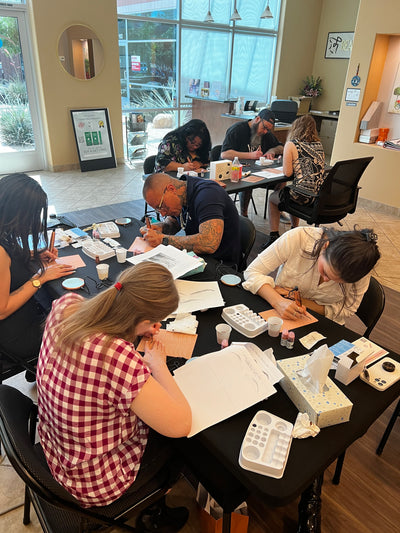
At Arizona Permanent Makeup Training Academy, paramedical tattoo education is designed for professionals who want practical technical training alongside business-ready knowledge. The strongest artists do not just create convincing results. They build referral-worthy client experiences, maintain strict safety practices, understand their scope, and know when a client needs medical guidance before treatment.
Areola restoration is not about making someone look like anyone else. It is about helping a client make an informed choice about their own body and creating space for them to feel more at home in it.

Leave a comment