

Nano Brows Versus Ombre Brows: What Fits You?
A client points to a softly shaded brow photo and says, “I want this, but I also love hair strokes.” That is the real decision behind nano brows versus ombre brows. Both are premium cosmetic tattoo services, but they create dramatically different effects, require different technical decisions, and may suit different skin types and lifestyle goals.
For artists, understanding that distinction protects your reputation and improves consultations. For clients, it makes the difference between choosing a trendy photo and choosing a brow design that will heal beautifully on your own skin.
Nano Brows Versus Ombre Brows: The Core Difference
Nano brows use a PMU machine and a fine needle configuration to implant pigment in realistic, hair-like strokes. The goal is texture. A skilled artist places each stroke with intention, following the brow’s natural direction, density, and shape to create a fuller version of real hair.
Ombre brows use a machine-shading technique to create a soft, pixelated makeup effect. They are lighter at the front of the brow and gradually deepen through the arch and tail. The result can range from airy and natural to polished and more defined, depending on the client’s desired saturation.
Neither technique is automatically “better.” Nano brows are usually chosen for realistic hair detail. Ombre brows are chosen for a filled-in, powdery finish that can look like softly applied brow makeup. The right answer depends on skin, existing hair, daily routine, age-related skin changes, and the client’s willingness to maintain the result.
What Nano Brows Look Like on the Skin
Nano brows are for clients who want people to notice fuller brows, not necessarily permanent makeup. Individual strokes can fill sparse areas, rebuild an uneven front, or add the appearance of hair where natural growth is limited.
The strongest nano work does not mean packing in as many strokes as possible. It means leaving space, controlling depth, and building a believable pattern. Overworking the skin or layering strokes too closely can cause the design to heal blurred or crowded. This is why nano brows demand a high level of machine control, pressure awareness, stretch, and pigment selection.
Nano brows often work best for clients with normal to dry skin, relatively small pores in the brow area, and enough natural brow hair to blend with the tattooed strokes. Mature skin can also be a candidate, but it requires thoughtful technique, lower-density design, and realistic expectations. Thin or fragile skin should never be forced into a dense hair-stroke pattern simply because the client brought in a photo.
Very oily skin may not retain crisp hair strokes as predictably. Oil production, enlarged pores, and frequent sweating can soften the healed appearance over time. That does not mean an oily-skinned client cannot have nano work, but it does mean the artist needs to be honest about potential longevity and may recommend a softer, hybrid approach instead.
What Ombre Brows Look Like on the Skin
Ombre brows are built through layers of tiny pixel deposits. Immediately after the procedure, they may look more defined than they will once healed. As the skin recovers, the color softens and settles into a diffused powder effect.
A light ombre brow can be an excellent option for someone who wants definition without obvious hair strokes. A more saturated ombre brow can suit clients who regularly fill in their brows, prefer a polished makeup look, or want shape that stays visible through workouts, swimming, and busy mornings.
Ombre brows are frequently more forgiving on oily skin because the technique relies on shading rather than the sharp edge of an individual stroke. They can also be a smart solution for clients with previous brow tattooing that needs visual correction or better balance. The existing pigment still must be assessed carefully. Covering old work without evaluating its color, depth, shape, and saturation is not corrective artistry.
Skin Type Is a Consultation Factor, Not a Shortcut
Artists should never select a technique based on one label alone. “Oily skin needs ombre” is a useful starting point, not a complete consultation. Look at the actual brow area: pore size, oil level, texture, elasticity, sun damage, scar tissue, current skincare products, and any previous tattoo work.
A client with oily skin may still be a suitable nano candidate if they understand that strokes can heal softer and may need more maintenance. A dry-skinned client may prefer ombre brows because they love makeup and want more visual structure. Preference matters, but education must lead the appointment.
Medical history, medications, active skin conditions, and contraindications also matter. A responsible PMU professional conducts a thorough intake, follows sanitation requirements, and knows when to postpone a service or request medical clearance. Beautiful work begins with safe work.
Healing and Maintenance: Set Expectations Before the Appointment
Both nano and ombre brows require a healing period, and both typically need a perfecting session. During healing, brows may appear darker at first, then flake, fade, and gradually return as the pigment settles. Clients should understand that the healed result is not visible on day one.
Nano brows can appear more delicate after healing because their success depends on the clarity of fine strokes. Ombre brows generally fade as an overall veil of color, making them easier for some clients to refresh without changing the entire brow strategy.
Longevity varies by skin type, pigment choice, sun exposure, skincare habits, immune response, and how saturated the initial result is. Clients who use retinoids, chemical exfoliants, or aggressive facial treatments around the brow area should discuss their routine before booking. A realistic maintenance plan is more valuable than promising a permanent result that never changes.
Choosing the Right Service for the Client’s Lifestyle
Ask what the client does with their brows every morning. Someone who only wants to fill two small gaps may be happiest with subtle nano strokes. Someone who spends five minutes creating a structured brow with pencil and pomade may feel underwhelmed by an ultra-natural result and prefer ombre shading.
Also ask how they want their brows to look on a bare face. Nano brows can be beautifully understated, but they may not give the same visible makeup effect as ombre brows. Ombre brows can provide stronger definition, but a very saturated design may feel too bold for a client who rarely wears makeup.
For many clients, the best answer is neither technique in its purest form. Combination brows blend hair-like strokes, usually in the front or throughout selected areas, with soft shading for density and structure. This option can be ideal when natural hair is sparse but the client still wants a makeup-ready shape.
Why This Decision Matters for PMU Artists
For a developing artist, nano brows versus ombre brows is not simply a menu decision. These techniques require different hand movements, needle choices, mapping strategies, pigment loading, and skin-response awareness. An artist who can create both has more flexibility to recommend the right service instead of trying to make every client fit one technique.
Nano work requires disciplined stroke design and the ability to recognize when the skin is not accepting crisp detail. Ombre work requires controlled pixelation, smooth transitions, consistent saturation, and a light hand that avoids unnecessary trauma. Both demand strong brow mapping because even beautiful technique cannot rescue a shape that is unbalanced for the client’s bone structure and facial expression.
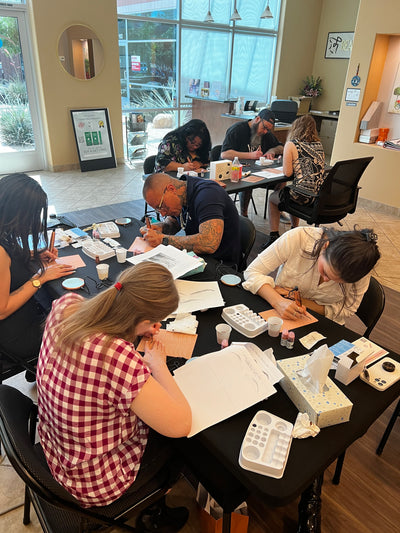
Training should go beyond watching a demonstration. Artists need supervised hands-on practice, live-model experience, sanitation education, and guidance on consultation language, consent, aftercare, and corrective decision-making. At Arizona Permanent Makeup Training Academy, students can build those practical foundations while learning how to turn specialized PMU skills into a professional service business.
Questions Clients Commonly Ask
Are nano brows more natural than ombre brows?
Nano brows usually look more like natural hairs because they are designed as individual strokes. However, a light ombre brow can look very natural too. “Natural” should describe the final effect on that specific client, not just the technique name.
Do ombre brows look too harsh?
Not when they are designed correctly. A soft front, appropriate color selection, and controlled saturation create a refined result. Harshness often comes from choosing a shape or darkness level that does not match the client’s features or preferences.
Can a client switch techniques later?
Often, yes, but the existing pigment must be evaluated first. Faded nano brows may be refreshed with nano, ombre, or combination work. Old, dark, or poorly shaped tattooing may need corrective planning or removal before a new design is attempted.
The best brow service is the one that respects the skin, matches the client’s daily life, and gives the artist a result they are proud to stand behind. Start with an honest consultation, choose technique over trend, and build brows that still make sense after the excitement of appointment day has passed.

Leave a comment