

Lip Blush Certification Training Course Basics
Lip blush is not simply a cosmetic tattoo service with a soft name. It requires controlled implantation, thoughtful color selection, lip anatomy knowledge, and the confidence to guide clients through healing expectations. A quality lip blush certification training course gives aspiring artists a professional starting point, not just a certificate to post online.
For beauty professionals ready to add a high-demand service or build a permanent makeup career from the ground up, the right education can shorten the distance between interest and paid client work. The difference comes down to how the course teaches technique, safety, live-client readiness, and the business decisions that follow graduation.
What a Lip Blush Certification Training Course Should Teach
Lip blush is designed to enhance the appearance of the natural lips with a soft wash of color, improved symmetry, and more definition. The finished result should look refined and wearable, not heavy or overworked. Reaching that result consistently takes more than learning a few machine passes.
A professional training program should begin with the foundation: skin structure, lip anatomy, contraindications, sanitation, bloodborne pathogen awareness, client consultation, informed consent, and aftercare. These details protect the client, protect the artist, and shape the reputation of a future business.
Technique matters, but color judgment matters too
Lip tissue responds differently than brow skin. It is delicate, highly vascular, and prone to swelling. Students need to understand needle depth, hand speed, machine settings, stretch, pressure, pixelation, and saturation without overworking the lips.
Color theory is equally essential. A client’s natural lip tone, undertone, melanin level, age, and healed-result goals all affect pigment selection. A shade that looks beautiful in a pigment cup may heal too cool, too warm, or too muted if the artist has not assessed the canvas correctly. Training should cover neutralization concepts when appropriate, but it should also teach artists when a client may need multiple sessions, a different service plan, or a referral.
A course should also prepare students for real consultation conversations. Clients may arrive with photos that have filters, filler, existing cosmetic tattooing, uneven lip borders, or expectations that do not match what is safely achievable. A trained artist learns to set honest expectations before the machine is ever turned on.
Certification Is Valuable, but Licensing Rules Still Apply
One of the most common mistakes new artists make is assuming that a course certificate automatically gives them permission to work everywhere. Certification documents the education you completed. Licensing, permits, and facility requirements are governed by state, county, city, and local health authorities.
Requirements can vary widely. Some areas regulate permanent makeup under body art rules, while others may require specific bloodborne pathogen training, practitioner registration, inspections, or work within an approved facility. If you plan to work across state lines, relocate, rent a suite, or open your own studio, you need to verify the rules where you will perform services.
That is why formal education has practical value beyond the classroom. A state-approved school and an educator who understands paperwork, professional standards, and the realities of salon ownership can help students move forward with fewer costly assumptions. At Arizona Permanent Makeup Training Academy, that operational support is part of preparing students to think like working professionals, not hobbyists.
Hands-On Practice Is Where Confidence Is Built
Watching a lip blush procedure is helpful. Performing one under experienced supervision is what changes your skill level.
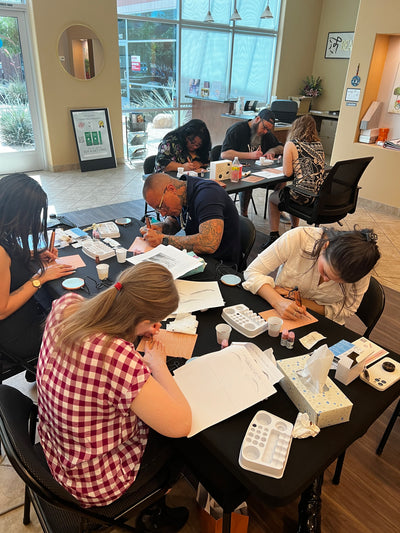
Practice on latex or artificial skin can introduce machine movement and pattern building, but it cannot recreate a live client’s lip movement, natural asymmetry, sensitivity, skin behavior, or consultation needs. Live-model experience allows students to see how every stage connects: pre-draw, color planning, numbing protocols when permitted and appropriate, pigment application, documentation, aftercare, and follow-up planning.
This does not mean a single live model makes someone an expert. It means students graduate with a more realistic understanding of the service. Repetition after training is still necessary. Artists improve through careful practice, healed-result reviews, continued education, and a willingness to refine their process rather than rushing to fill a schedule.
A strong training environment should also teach students how to work cleanly under pressure. Setting up a station, preventing cross-contamination, organizing pigments and disposables, maintaining barriers, and breaking down properly are not side lessons. They are part of the service. Clients notice professionalism, even when they do not know the technical language for it.
How to Evaluate a Lip Blush Course Before You Enroll
A low price can be tempting, especially when a course promises fast certification. But the least expensive option can become expensive if it leaves you needing another course, new equipment, additional model practice, or help understanding local requirements.
Ask direct questions before enrolling. A credible provider should be able to explain what you receive, what you will practice, and what support is available after class. Look closely at these four areas:
- Instructor background: Choose education led by someone with real permanent makeup experience, healed work knowledge, and familiarity with client care and business operations.
- Training format: Confirm whether the course includes in-person instruction, supervised hands-on work, and live-model experience rather than demonstration-only learning.
- Equipment and supplies: Find out whether a professional machine, needles, pigments, disposables, and starter supplies are included or must be purchased separately.
- Compliance support: Ask whether the school provides guidance on documentation, licensing pathways, sanitation standards, and the practical steps required before accepting clients.
Build a Service, Not Just a Portfolio
A lip blush service can become a strong addition to a beauty business because clients often value the convenience of waking up with more even-looking lips and less need for daily lip color. Still, demand alone does not create a sustainable income stream.
New artists need a clear plan for pricing, client policies, touch-up structure, deposits, scheduling, photography, consent forms, aftercare communication, and inventory. They also need to understand that healed results are the portfolio that matters most. Fresh procedures can look dramatic because of swelling and immediate pigment visibility. Healed results show the artist’s true control.
Start with a model plan that protects quality. Offer services only within your training, use detailed consultations, give clients realistic healing guidance, and allow enough appointment time. Do not underprice so deeply that you cannot cover supplies, rent, taxes, continuing education, and the time required to provide safe service.
Lip blush can also work well alongside brows, eyeliner, facials, skin treatments, or other beauty services, depending on your credentials and facility setup. For an established esthetician or salon owner, it may create a high-value specialty menu item. For a new entrepreneur, it can be one part of a focused permanent makeup business rather than the only service you offer.
Questions Worth Asking Yourself Before Training
You do not need previous tattoo experience to pursue lip blush, but you do need patience, precision, and a willingness to practice. The service requires close client contact, attention to sanitation, comfort with detailed work, and the maturity to say no when a procedure is not appropriate.
Consider your professional goal. Are you seeking a new revenue stream inside an existing salon? Are you building toward a dedicated PMU studio? Do you want to work in Arizona, travel, or eventually operate in another state? Your answers can help you choose a program with the level of hands-on training and compliance guidance that fits your plan.
Also consider the kind of education that keeps you accountable after the excitement of enrollment. A certificate is a milestone, but consistent artistry is built through disciplined practice, honest feedback, and ongoing study of healed work.
Choose training that treats lip blush as the professional service it is. When your education gives you technical standards, live-client experience, the right tools, and a clear path toward compliant practice, you can build confidence one well-served client at a time.

Leave a comment