

Lip Blush: A High-Value Skill for PMU Artists
A great lip blush service does not start when the machine touches the skin. It starts with a consultation that sets realistic expectations, a color plan built around the client’s natural lip tone, and technical control that protects the healed result. For permanent makeup artists, lip blush is one of the most valuable services to learn because it combines artistry, precision, client trust, and strong earning potential in one appointment.
Clients are not usually asking for a heavy, old-fashioned tattooed lip. They want a healthier-looking tint, clearer definition, more balanced color, and the confidence of waking up with a polished appearance. Delivering that result consistently requires professional education, not guesswork.
What Lip Blush Actually Does
Lip blush is a cosmetic tattoo procedure that deposits pigment into the lips to enhance their natural color, improve the appearance of symmetry, and create soft definition. The goal is generally a translucent, customized wash of color rather than an opaque lipstick effect.
A successful healed result can make lips appear more even in tone and better defined, especially when natural borders have faded over time. It can also be a meaningful service for clients who feel their lips look pale, uneven, or less balanced than they would like. Still, responsible artists do not promise a dramatic increase in lip size or a perfect match to a filtered photo. Lip blush enhances what is already there. It does not replace filler, surgery, or daily skincare.
That distinction matters for both client satisfaction and your reputation. The strongest PMU artists know how to sell a service honestly: through education, clear before-and-after expectations, and work that heals beautifully.
Why Lip Blush Belongs on a Serious PMU Menu
For artists building a permanent makeup career, lip services create a natural opportunity to expand beyond brows. A client who trusts you with her brows may later want lip color correction or a subtle everyday tint. A salon owner can also position lip blush as a premium standalone appointment that complements facials, skin treatments, lash services, and other beauty offerings.
The service has business value because it is highly customized. Every client brings a different natural lip color, skin tone, lifestyle, age, and desired outcome. That calls for professional judgment, not a one-color-fits-all approach. Artists who can confidently consult, map, neutralize, implant color, and guide aftercare become more than technicians. They become trusted specialists.
It is also a service where training quality is easy to see. Uneven saturation, poor border work, incorrect pigment selection, and weak healing guidance can affect results for months or years. Proper education gives new artists a repeatable process instead of relying on social media trends or random pigment recipes.
The Technique Behind Natural-Looking Results
Lip blush requires a controlled hand, thoughtful machine movement, and a deep understanding of how pigment behaves in healed skin. The lips are vascular, sensitive, and unlike brow skin. Artists must learn how to work with the tissue gently while building color in appropriate layers.
Color Theory Is Not Optional
Color selection is one of the most technical parts of the service. A pigment that looks beautiful in the cap may heal differently depending on the client’s underlying lip tone, melanin level, circulation, and skin characteristics. The artist must evaluate whether the lips need neutralization before adding the target shade.
For example, clients with cooler, darker, or uneven lip tones may need a carefully selected warm modifier to create a more balanced healed canvas. Skipping this assessment can lead to healed color that looks too cool, gray, patchy, or unlike the client’s goal.
This is why professional lip blush education should go beyond choosing a popular pink. Students need to understand undertones, pigment composition, neutralization principles, healed-color expectations, and when to schedule additional sessions rather than overwork the lips in one appointment.
Mapping and Shape Require Restraint
Clients often want more symmetry, but artists must work within the natural lip structure. Trying to tattoo far outside the vermilion border to create a larger-looking lip is not a shortcut to a better result. It can heal unpredictably and may not create the refined effect the client imagined.
A trained artist learns to assess facial balance, identify asymmetry, create clean borders, and make enhancements that remain believable at conversational distance. Small corrections can make a major visual difference. The best work usually looks effortless because the technical planning happened before the procedure began.
Saturation Must Be Built, Not Forced
A soft lip blush result depends on even saturation and careful pressure. Going too aggressively can traumatize the tissue, increase swelling, complicate healing, and create a result that is more intense than intended. Going too lightly or inconsistently can leave patches that require avoidable correction.
Technique training should cover needle configurations, machine settings, stretch, movement patterns, depth awareness, and how to recognize when the skin has received enough work. These are hands-on skills. Watching a demonstration helps, but supervised practice is what develops the control needed for paid services.
Client Safety and Consultation Set the Standard
The consultation is where a professional protects the client, the business, and the final result. Before booking, artists should collect a thorough health history, discuss medications and contraindications, review prior cosmetic tattooing, and evaluate the current condition of the lips.
Active cold sores, irritation, open skin, certain medical conditions, and some medications may require postponement or medical clearance. Clients with a history of cold sores should be instructed to speak with their healthcare provider about appropriate preventive steps before treatment. Artists should never diagnose or prescribe. Their role is to screen responsibly, follow applicable regulations, and refer when necessary.
Clients also need honest guidance about the healing process. Lips can swell initially. Color may appear brighter immediately after the service, then soften significantly during healing. Dryness, flaking, and temporary unevenness can occur as the tissue recovers. A touch-up appointment is commonly part of the process because healed retention varies from person to person.
When clients understand this before their appointment, they are more likely to follow aftercare and evaluate their results fairly. Clear consent forms, pre-care instructions, aftercare protocols, and photo documentation are not administrative extras. They are part of a professional service experience.
What to Look for in Lip Blush Training
A certificate alone does not automatically create confidence or competence. Aspiring artists should look for education that teaches the full service workflow, from sanitation and client screening to pigment selection, procedure execution, aftercare, and business setup.
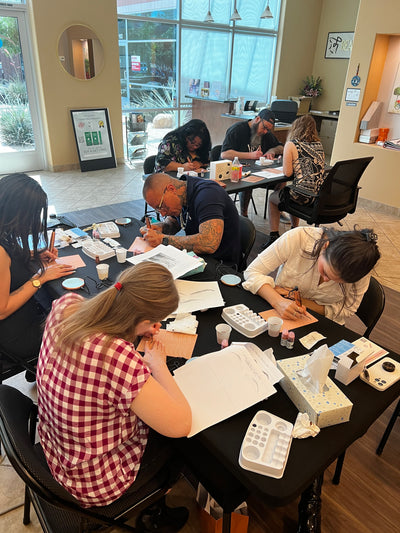
Hands-on practice matters, especially with live models. It gives students the chance to experience real lip anatomy, real client communication, real swelling, and real-time instructor feedback. A course should also explain the equipment students are using and why, rather than handing them a machine without the technical knowledge to operate it safely.
Licensing and registration requirements vary by state, county, and local health authority. Students should choose a program that understands the regulatory side of the profession and can help them identify the paperwork, bloodborne pathogen training, facility rules, and board requirements relevant to where they plan to work. Portable, board-accepted credentials and state-approved education can strengthen an artist’s path as they pursue opportunities beyond one salon or one city.
At Arizona Permanent Makeup Training Academy, this career-focused approach includes practical instruction, professional tools, live-model experience, and support that helps students move from training into real service delivery. The goal is not simply to complete a class. It is to build the skill set and operational confidence required to charge for specialized work.
Turning Training Into a Profitable Service
After training, new artists should resist the urge to race straight into fully booked pricing. Build a documented portfolio with well-lit photos, healed results, and a variety of lip tones when possible. Practice consultations until you can explain neutralization, healing, touch-ups, and aftercare without sounding uncertain.
Pricing should reflect your market, experience, time, supplies, touch-up policy, overhead, and level of specialization. A low introductory price may help an artist gain early models and reviews, but it should be structured as a business decision, not a permanent habit. Premium service pricing becomes easier when clients can see your sanitation standards, your communication process, your technical work, and your healed results.
Lip blush can become a defining service for an artist who is willing to respect the details. Learn the theory, practice the technique, protect the client experience, and let every healed result become proof that your career is built on more than a trend.

Leave a comment