

How to Prevent PMU Infections in Every Service
A beautiful healed result starts long before pigment touches the skin. The ability to prevent PMU infections is one of the clearest signs that an artist is prepared to protect clients, uphold their reputation, and build a serious permanent makeup business. Brows, lip blush, eyeliner, scalp micropigmentation, and paramedical services all involve controlled skin penetration. That means sanitation is not an optional add-on. It is part of the service.
For aspiring artists, infection prevention can feel intimidating at first because it includes equipment, environmental setup, client communication, and aftercare. The good news is that these habits become repeatable when they are taught and practiced correctly. Professional safety is not about being afraid to perform a service. It is about having a clear system that supports confident, consistent work.
Why PMU Infection Prevention Protects Your Career
An infection can affect far more than one appointment. It can lead to a painful client experience, delayed healing, corrective costs, negative reviews, and scrutiny of your professional practices. Even when an issue is not caused by the artist, weak documentation or inconsistent sanitation can make it difficult to demonstrate that the service was performed responsibly.
On the other hand, a well-run PMU procedure builds trust. Clients notice when their artist opens sealed cartridges in front of them, changes gloves at the right times, explains aftercare clearly, and works from a clean, organized station. Those details communicate professionalism before the healed result ever does.
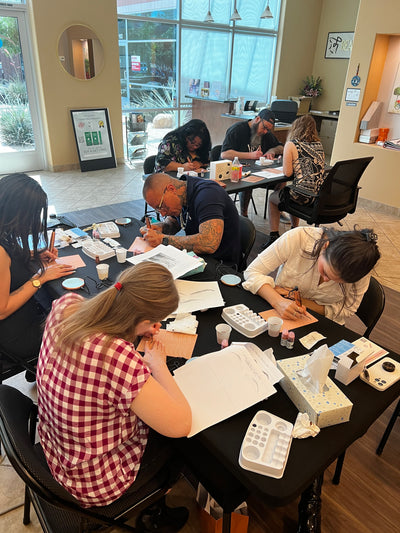
State and local rules can vary, so artists must understand the requirements that apply to their license, facility, and services. A quality education should help students connect technical application with bloodborne pathogen awareness, disinfection procedures, client records, and real-world service flow. At Arizona Permanent Makeup Training Academy, hands-on education helps future technicians practice professional setup and service standards alongside their artistic skills.
Build a Clean PMU Station Before Every Client
Infection prevention begins before the client enters the treatment area. Artists should approach every setup as if the work surface could be contaminated, even if it appears clean. Start by cleaning and disinfecting non-disposable surfaces with products used according to the manufacturer’s contact-time instructions. Cleaning removes visible debris; disinfection addresses microorganisms. Both steps matter.
A prepared station should separate clean supplies from used or potentially contaminated items. Keep pigment bottles, machine parts, cords, trays, and frequently touched surfaces protected with single-use barriers when appropriate. Anything likely to be touched with gloved hands during the procedure should be considered in advance. This includes lamp handles, machine cables, tablet screens, bed controls, pigment caps, and spray bottles.
Use sterile, single-use needle cartridges and open them immediately before the procedure. Never reuse needles, cartridges, pigment caps, disposable applicators, razors, or other items designed for one client. If a reusable component is permitted by its manufacturer and local regulation, it must be reprocessed exactly as required. When there is uncertainty, do not guess. Follow the manufacturer’s instructions and the applicable health regulations.
Pigment handling deserves the same discipline. Dispense only the amount needed into single-use caps, and never return leftover pigment to its original bottle. Avoid letting a contaminated glove, machine, or tool touch the bottle opening. Barrier methods and careful dispensing protect both the client and the product inventory you depend on for future services.
Gloves are not a substitute for hand hygiene
Gloves create a barrier, but they do not make an artist automatically sanitary. Wash hands thoroughly before gloving and after removing gloves. Change gloves anytime you touch something outside the controlled procedure area, such as a phone, door handle, drawer, client belongings, or unprotected surface.
This is where many new artists make preventable mistakes. They may begin with a clean station, then cross-contaminate it by adjusting a ring light or checking a message while still wearing procedure gloves. Build a habit of pausing, removing gloves, performing hand hygiene, and putting on fresh gloves before returning to the service.
Screen Clients Before You Begin
A thorough consultation is a safety tool, not just a sales conversation. Before a PMU procedure, review the client’s health history, current medications, allergies, skin condition, previous cosmetic tattooing, and healing history. Ask direct questions and document their answers.
Some clients should postpone treatment. Active skin irritation, rashes, open lesions, sunburn, signs of infection, and certain recent procedures can interfere with healing and increase risk. Clients who are ill or have a contagious condition should be rescheduled. Artists should also know when a client needs medical clearance instead of a cosmetic service.
Do not diagnose medical conditions or promise that a service is safe for every person. A professional artist recognizes their scope. If a client has a complicated health history, is immunocompromised, takes medications that affect bleeding or healing, or has an unclear skin concern, refer them to their qualified healthcare provider for guidance. It is better to delay a procedure than to compromise client safety for an appointment slot.
Patch testing may be appropriate depending on the pigment, product instructions, client history, and service. It can help identify certain sensitivity concerns, but it does not guarantee a client will not have a reaction or healing complication. Clear consent forms should explain realistic risks, contraindications, expected healing, and the client’s role in aftercare.
Perform the Service Without Cross-Contamination
Once the procedure starts, your focus needs to stay on the controlled work area. Pre-cleanse the client’s skin with products suitable for the service, then allow products to dry as directed. Use fresh, disposable applicators rather than double-dipping into products. If you need more ointment, anesthetic, cleanser, or pigment, dispense it safely instead of contaminating the original container.
Keep your movements intentional. A machine, pencil, caliper, or mapping tool that has touched the client should not touch a clean supply without proper handling. If you need to step away, change gloves before touching anything outside the procedure zone. When possible, set up what you will need before beginning so you are not opening cabinets or searching for supplies mid-service.
Skin preparation and application technique also influence healing. Excessive trauma, overworking an area, or using poor pressure can compromise the skin barrier and prolong recovery. The goal is not simply to implant pigment. It is to deliver controlled, appropriate work that respects the skin.
Give Aftercare Instructions Clients Can Follow
Even the cleanest appointment cannot protect a result if aftercare instructions are vague. Clients need written guidance that is easy to follow after they leave the studio, when excitement fades and normal routines resume. Review instructions verbally, then provide them in writing before the client departs.
Tell clients to keep the treated area clean, avoid touching it with unwashed hands, and follow the specific cleansing and product instructions you provide. They should avoid picking, scratching, rubbing, or prematurely removing flaking skin. Swimming pools, hot tubs, saunas, heavy sweating, direct sun exposure, makeup on the treated area, and dirty bedding can all create unnecessary healing risks during the restricted period.
Aftercare is not one-size-fits-all. Lip blush clients may need different guidance than scalp micropigmentation or eyeliner clients. The client’s skin type, service area, technique, and the products used can influence the plan. Give directions based on your training, product instructions, and the service performed rather than copying generic advice from social media.
Clients should also know what requires attention. Mild redness, tenderness, swelling, and flaking can be part of normal healing, depending on the procedure. Worsening pain, spreading redness, heat, pus, fever, or other concerning symptoms require prompt evaluation by a qualified healthcare professional. Artists should never attempt to treat a suspected infection themselves or recommend prescription medication.
Close Down the Station Like a Professional
The service is not complete when the client leaves. Safe breakdown protects the next client, the artist, and the studio. Dispose of used needles and cartridges immediately in an approved sharps container. Remove barriers carefully, avoiding contact with contaminated surfaces, and discard single-use items properly.
Then clean and disinfect all reusable environmental surfaces according to product instructions and facility protocols. Remove gloves before touching clean supplies or personal items, perform hand hygiene, and restock only after the area has been reset. Document the service, including relevant client disclosures, pigment details, lot numbers when required, procedure notes, and aftercare provided.
These records are not busywork. They create accountability, support client follow-up, and show that your business operates with the discipline expected of a professional beauty provider.
A polished portfolio may attract attention, but clean practices create the kind of trust that keeps clients returning and referring. Treat every setup, consultation, and aftercare conversation as part of your signature service. That is how a PMU artist protects people, protects their license, and creates a business built to last.

Leave a comment