

Nano Brows vs Microblading: Which Fits You?
A client sits down saying she wants “hair strokes,” but her skin is oily, her old brow tattoo has faded warm, and she wears full-coverage makeup most days. That is where nano brows vs microblading becomes more than a trend comparison. The better choice affects healed results, retention, touch-up expectations, client safety, and the reputation of the artist performing the service.
For aspiring PMU artists and established beauty professionals, learning both methods creates a stronger, more profitable brow menu. But they are not interchangeable techniques. Each requires a different tool, hand skill, pigment strategy, and client consultation process.
Nano Brows vs Microblading: The Core Difference
Microblading is a manual technique that uses a handheld blade made of fine needles to create small incisions in the skin. Pigment is deposited into those strokes to imitate natural eyebrow hairs. When it heals cleanly on an appropriate candidate, microblading can create a soft, realistic result that clients love.
Nano brows use a permanent makeup machine and a single needle cartridge to implant pigment in hair-like strokes. The word “nano” refers to the fine appearance of the strokes, not a promise that the work is painless or suitable for every client. Because the artist is working with a machine rather than manually cutting the skin, they can control needle movement, depth, speed, and pixel placement with greater consistency.
The finished look can be similar: airy, natural-looking brows with individual hairstrokes. The application method is what separates them. That difference matters most during healing and on skin types that do not retain manual strokes well.
Why Skin Type Changes the Recommendation
A beautiful before-and-after photo does not automatically make a technique the right choice for the next client. Brow work must be selected based on skin condition, lifestyle, natural brow density, previous pigment, and the client’s willingness to follow aftercare.
Microblading often performs best on normal to dry skin with small pores and minimal sun damage. On this skin type, manual strokes may heal crisp and distinct. Even then, retention is never guaranteed. Healing is biological, and every client’s skin responds differently.
Oily, thick, porous, mature, or heavily textured skin can cause microbladed strokes to blur, expand, fade unevenly, or merge together over time. Clients with active skincare routines, frequent sweating, heavy sun exposure, or oil-control products may also struggle with retention. A skilled artist may recommend nano brows, a soft powder brow, or a combination brow instead of forcing a manual-stroke service that is unlikely to heal as intended.
Nano brows can be a strong option for many clients with oilier or more textured skin because the machine creates pigment deposits without the same manual slicing motion. Still, nano strokes can soften during healing. They are not a magic fix for every skin challenge. The artist must adjust the technique, needle configuration, pigment selection, and design to protect the long-term result.
Previous Work Requires a Different Conversation
Neither nano brows nor microblading should be performed automatically over old pigment. Faded brows may look light in a mirror but still contain enough residual color to alter a new result. Cool gray, blue, red, or orange undertones can affect pigment choice and may require correction, lightening, or removal before new hairstrokes are appropriate.
This is why a professional consultation is a business essential, not an optional courtesy. Artists need clear photos, a skin assessment, realistic expectations, and the confidence to decline work when the canvas is not ready.
Healing, Comfort, and Longevity
Both services involve cosmetic tattooing, so both require proper sanitation, informed consent, contraindication screening, and disciplined aftercare. Clients should expect initial color to look stronger than the healed result. Flaking, dryness, and apparent fading can occur during the healing cycle. Picking, scratching, soaking the area, and returning to intense workouts too soon can compromise retention.
Microblading may feel more scratch-like because the skin is opened with a manual blade. Nano brows are performed with a machine and can feel like a repetitive vibration or light scratching sensation. Comfort varies widely by client, topical anesthetic protocols, artist technique, and the sensitivity of the brow area.
Longevity also depends on the client. Both techniques commonly need a perfecting session after initial healing, followed by color refresh appointments as the pigment fades. Skin type, sun exposure, skincare ingredients, immune response, and pigment color all influence how long the work remains visually fresh. Nano brows may offer more predictable retention for some clients, particularly when machine work is better matched to their skin. That does not mean every client will retain nano strokes longer than microblading.
Set the expectation early: permanent makeup is long-lasting, not maintenance-free. Honest education protects clients from disappointment and protects artists from avoidable correction work.
The Artist Skill Behind Natural-Looking Strokes
The tool does not create the result by itself. A manual blade in untrained hands can scar skin or produce patchy, blurry strokes. A PMU machine in untrained hands can implant too deeply, create trauma, or leave an unnatural pattern. Technical education is the difference between simply owning equipment and delivering a professional service.
Microblading demands consistent pressure, correct blade angle, controlled stroke direction, and an understanding of how skin tension changes across the brow. Nano brows demand machine knowledge, cartridge selection, hand speed, needle depth, stretch, pixel saturation, and stroke patterns that complement the client’s natural growth.
Design is equally important. A hairstroke brow should not look like rows of identical lines. Artists must understand brow mapping, facial balance, front transitions, stroke flow, pigment theory, and the way healed color changes in different skin tones. The goal is not to copy a trendy brow from social media. The goal is to create a result that belongs on that client’s face.
Which Service Is Better for Your Brow Business?
For a technician building a serious PMU career, nano brows usually provide greater flexibility. Machine skills translate into other high-demand services, including ombre brows, lip blush, eyeliner, scalp micropigmentation, and certain corrective applications. They also give artists more options when a client is not an ideal microblading candidate.
Microblading remains a valuable specialty. There are clients with the skin type, lifestyle, and desired aesthetic that make it an excellent choice. Offering it responsibly can expand your service menu. The mistake is treating it as the default answer for every sparse brow.
A well-positioned brow business does not sell one technique. It sells a customized recommendation. That approach supports better healed results, stronger referrals, and higher client trust.
Training Should Include More Than a Certificate
Before offering either service, seek education that goes beyond a short demonstration. You need supervised practice, sanitation and bloodborne-pathogen standards, skin anatomy, color theory, contraindications, consent protocols, aftercare, corrective decision-making, and real guidance on state or local requirements.
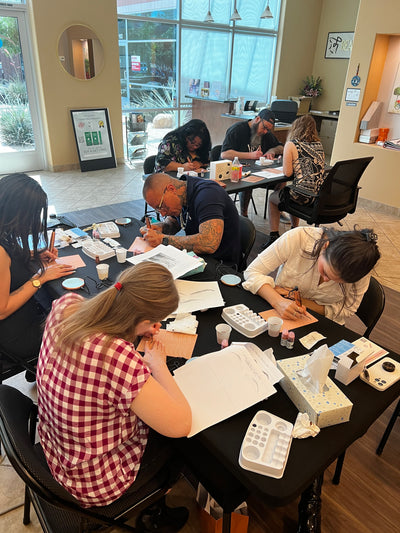
Live-model experience is especially valuable because skin behaves differently than practice latex. Students also benefit from learning how to photograph healed work, price services sustainably, manage touch-up policies, and communicate when a client needs an alternative treatment. At Arizona Permanent Makeup Training Academy, students can build machine-based brow skills with hands-on instruction, professional tools, and support designed for the path from training to paid services.
Choosing the Right Brow Path
If a client has dry to normal skin, fine pores, no conflicting previous work, and wants delicate manual hairstrokes, microblading may be a suitable recommendation. If the skin is oily, textured, mature, or likely to challenge manual-stroke retention, nano brows often deserve serious consideration. If neither technique will heal predictably, a soft machine-shaded brow may be the more responsible and beautiful choice.
The strongest artists are not loyal to a tool. They are loyal to informed consultation, clean technique, and healed results. Build your skill set wide enough to make the right recommendation, then let every successful healed brow become proof of the career you are creating.

Leave a comment